


How Should Brands Adapt to a Post-Truth World?
It's the moment of truth for UK brands: Should they stay neutral and ignore political protests, or take action and potentially upset customers?
The Content Strategist
It's the moment of truth for UK brands: Should they stay neutral and ignore political protests, or take action and potentially upset customers?
In the '90s, not everything was awesome at LEGO. But thanks to a new approach, the brand has become one of the world's most popular content creators.
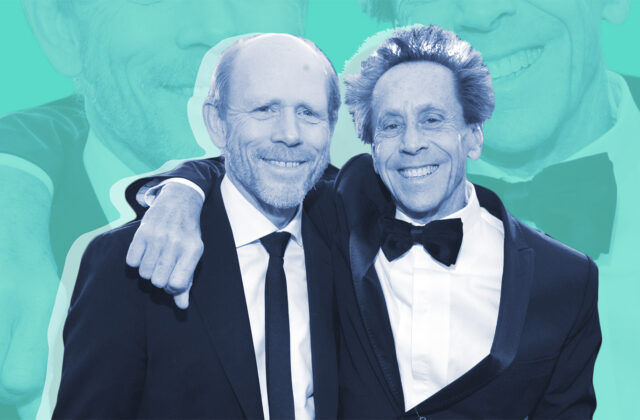
Science, tech, and Ron Howard are coming to National Geographic—all in the name of GE.
Lelo, a self-described purveyor of "high quality Pleasure Objects," has decided to make a movie—and no, not the kind you're thinking of.
That's right—it's time for my picks of the best branded content of 2014. It's kind of like Cannes, except instead of a gold lion, you get a picture of our soccer team with Drake.
I combed through hundreds of pieces of branded content researching this piece, and I must say, at no point was I tempted to quit my job at Contently and relocate to the remote jungles of Central America.

Businesses and consumers ultimately want the same thing, but marketers have to approach them in different ways.
It's been number one at the box office since it hit theaters. Reviewers adore it. Political thinkers from both parties have pondered it. And, it's a toy commercial audiences have paid $200 million to see thus far.
To commemorate its 80th birthday this year, Lego has released a video that illustrates how the company's unlikely story came about.