

BuzzFeed: These 2 Trends Are the Future of Branded Content
"On mobile, which is now more than 50 percent of our traffic and growing, I think native advertising is really the only monetization strategy that’s working right now," Harris said.
The Content Strategist
"On mobile, which is now more than 50 percent of our traffic and growing, I think native advertising is really the only monetization strategy that’s working right now," Harris said.
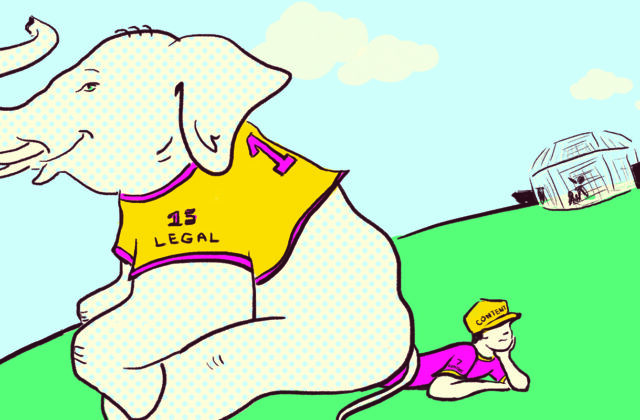
When a media company runs a story, the process takes minutes. When a brand publishes a piece of content, it can take days, weeks, or (sadly) months.
It's football season, and Lenovo/The Onion's razor-sharp parody of Hard Knocks and office fantasy leagues is back.
With 90 percent of marketers doubting their ability to measure branded content, something is clearly amiss in the land of ROI. That uncertainty spreads to the brand-sponsored content that runs on the sites of publishers like BuzzFeed and The New York Times, where there's plenty of debate over the best way to sell sponsored content and measure its success.
A Google engineer has taken on sponsored content's transparency and labeling challenge with a browser plug-in for Chrome and Firefox called AdDetector. It's drumming up a fair amount of buzz in the media world already.

I talked to Edward Lichty, Medium’s corporate development and strategy lead, about Re:form, the company’s branded content experiment, the interesting way they're selling sponsored content (engaged time, not pageviews!) and what Medium has planned for the future of its creative services team.

How do brands grab the attention of jaded consumers? The answer is simple: They make fun of themselves. When brands poke fun at their flaws, consumers view them as down-to-earth and relatable; it's the same phenomenon that makes Jennifer Lawrence so popular.
If you spent all weekend wondering whether trekking through the New York humidity qualifies as a water sport, these stories will get you caught up and make you sound like the smartest guy in the room. Or at least, you know, competent enough to avoid getting fired
Before Chipotle's "Farmed and Dangerous" and IKEA's "Easy To Assemble," there was "The Temp Life," the web's first-ever branded series, which launched in 2006 under the guise of professional actor and producer, Wilson Cleveland.