

Why Brands Can’t Ignore Owned Media
“Since the web provides universal access to publishing, advertisers now have the means to take back some control,” declares Ted O’Connell, VP of digital for the Advertising Research Foundation.

Brands can no longer ignore owned media. “Since the web provides universal access to publishing, advertisers now have the means to take back some control,” declares Ted O’Connell, VP of digital for the Advertising Research Foundation in “Content Conundrum: How Owned Media Changes the Game.” This re-establishment, he argues, can be developed through the digital middle ground between advertising and editorial buzz, defined as owned media.
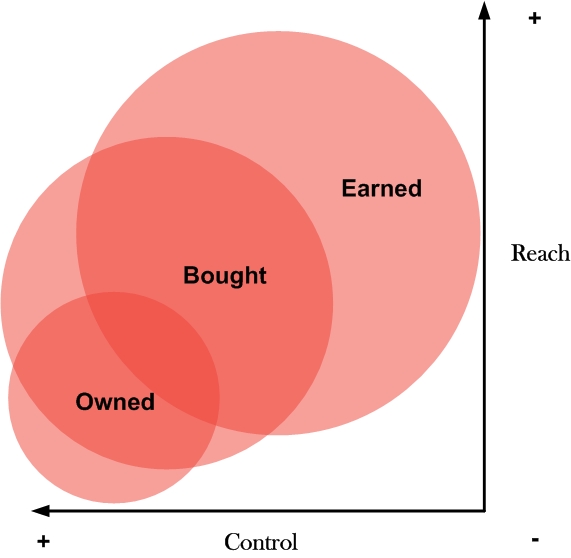
The classic advertising saying “We know half our advertising works. We just don’t know which half,” is out the door. “The brand lives in the connections, the juxtapositions, the inferences, the feeling of reciprocity,” O’Connell explains. Now it should be a goal — or even an expectation — for companies to build these tangible relationships.
“The relationship of content and distribution is not the setting of traps in every hallway,” O’Connell warns. Instead, a company should provide real value to their customers. “Content should work like “a system of helpful Post-It Notes and handrails that help consumers get where they want to go.”
Image courtesy of Change Conversations and header image courtesy of Flickr, kdonovan_gaddy
Contently writers have the credentials your compliance team asks about.
CFAs, MDs, JDs and FINRA-registered reviewers, with a managing editor on every piece. Tell us your vertical and we will show you what that looks like for your program.
Book a Content Strategy Call
Lexi Lewtan
<a href="http://lexilewtan.contently.com/">Lexi Lewtan</a> is a New York-based blogger. She has written for NYLON Magazine, and writes about entrepreneurship, culture, and the Internet.